Your Soil Testing Melbourne Guide
If you’ve never built a home, extension, shed, or any other structure before, this may be the first time you’ve heard of a soil test. Many property owners are surprised to learn that a soil test is required before construction can begin.
Knowing where to start can feel overwhelming, especially when every company appears to offer the same service.
However, it’s important to understand that not all soil tests are created equal.
Like any industry, the quality of service, experience, equipment, and advice can vary significantly between providers. Unfortunately, geotechnical engineering is not a regulated industry in Australia, meaning the quality of your soil test and reporting can differ greatly from one company to the next.
A cheap soil test can quickly become expensive if the report is inaccurate, missing vital information, or does not meet the requirements of your builder, engineer, or local council.
Before booking a soil test in Melbourne, here are five important things you should consider:
Are They Qualified?
This is one of the most important questions you can ask.
A soil test should be conducted, interpreted, and reported by qualified geotechnical professionals who understand soil behaviour, the Australian Standards, and residential construction requirements.
At Smolders Geotechnical, every stage of the investigation, from fieldwork through to reporting, is completed by fully qualified geotechnical engineer or engineering geologist. This ensures that the information provided is accurate, reliable, and suitable for your project.
Be cautious of companies that rely heavily on subcontractors or unqualified field technicians, as this can impact the quality and consistency of the report.
Do They Have the Right Equipment?
The quality of a geotechnical investigation is heavily dependent on the equipment used onsite.
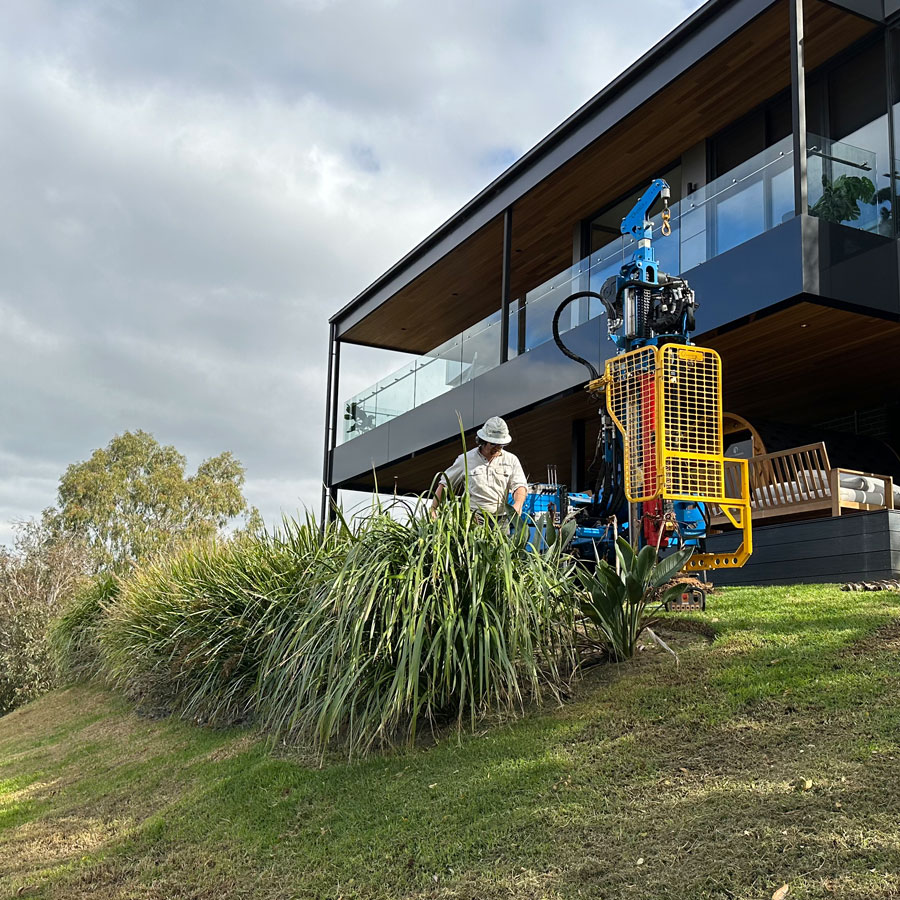
Different soil conditions require different drilling and sampling techniques. Companies with limited equipment may struggle to access difficult sites or obtain representative soil samples.
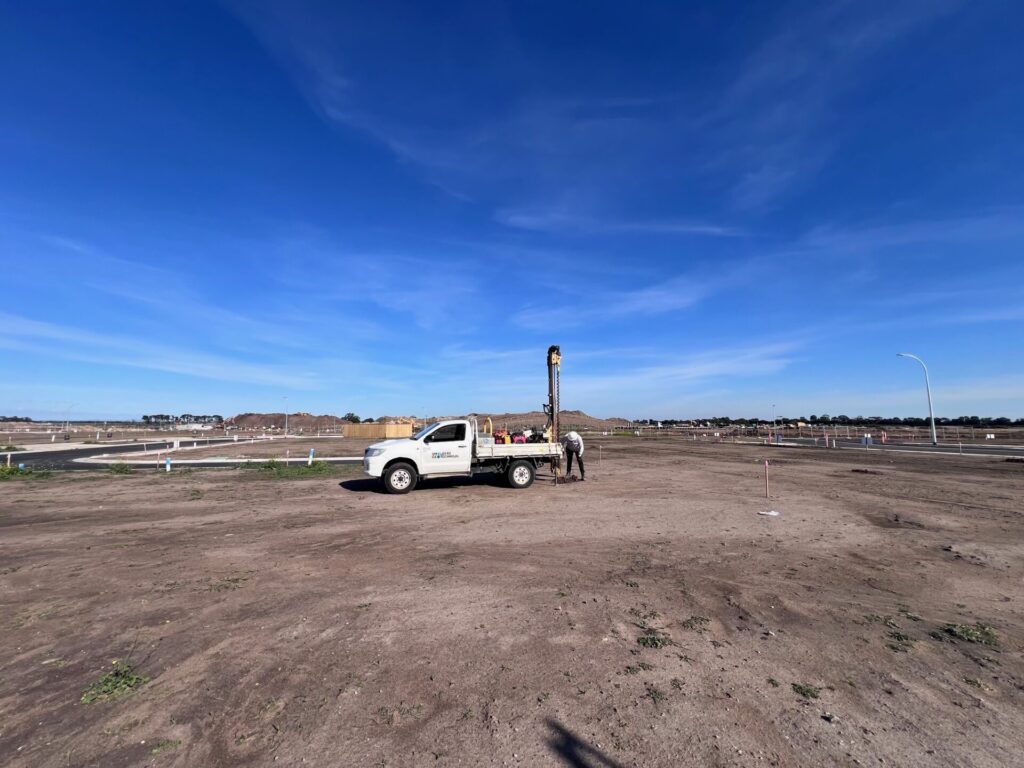
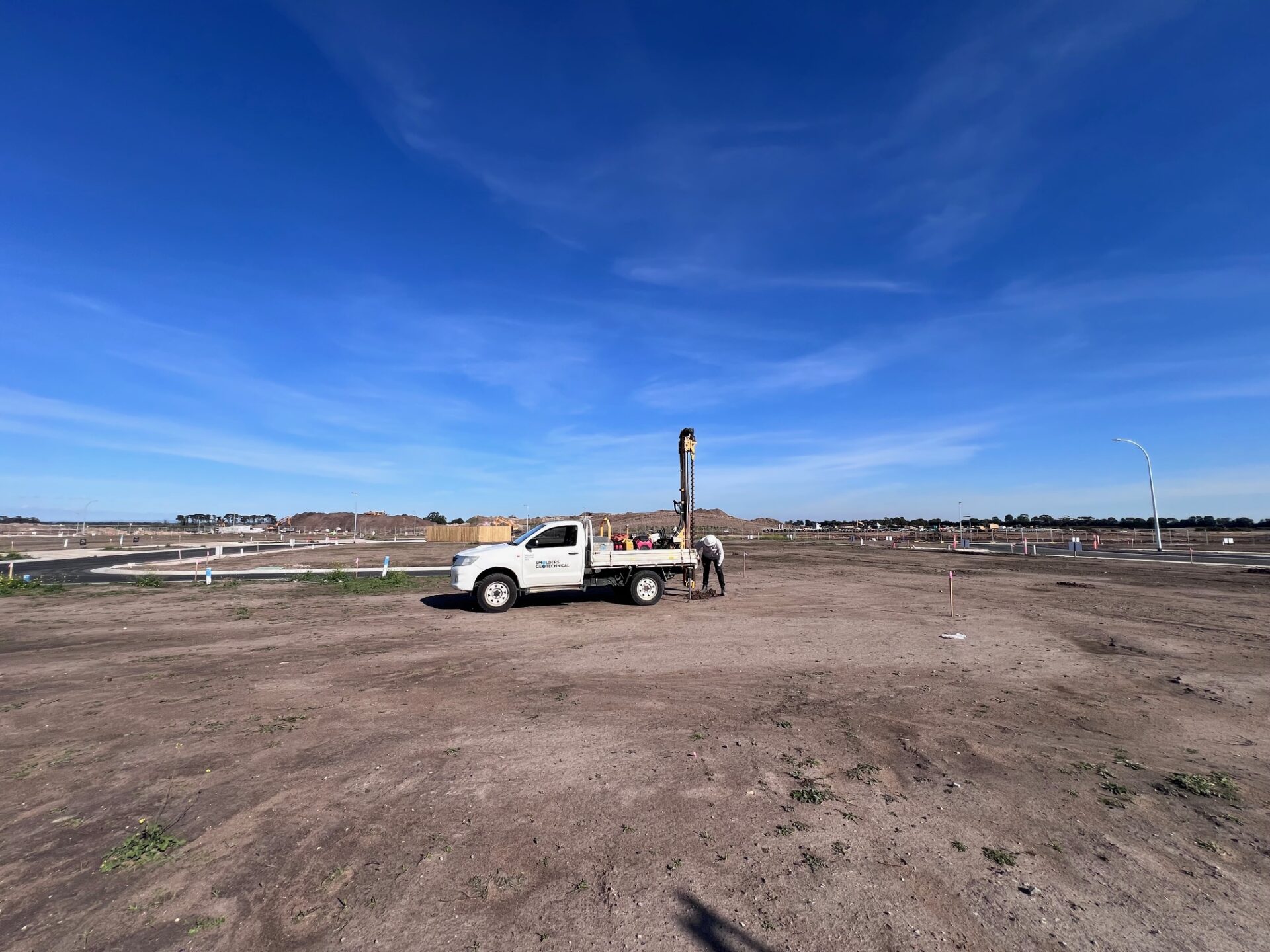
A reputable soil testing company should have access to specialised drilling rigs, sampling equipment, and supporting tools capable of investigating a wide range of residential, commercial, and regional sites.
For example, having the right auger for the encountered soils on site.
Having the right equipment helps ensure accurate site classification, reduces delays, and minimises the need for repeat investigations.
Do They Have Appropriate Insurance?
Many builders, engineers, architects, developers, and councils will require evidence of a consultant’s insurance before accepting a report.
At a minimum, your geotechnical consultant should carry:
- Professional Indemnity Insurance
- Public Liability Insurance
These policies protect both the consultant and the client should any issues arise during the project.
If a company is unable or unwilling to provide proof of insurance, it may be worth considering alternative providers.
Will They Be Available After the Report Is Issued?
A soil test report is often just the beginning of the process.
Builders, structural engineers, architects, and council officers frequently have questions about site conditions, footing recommendations, retaining walls, slope stability, or construction requirements (depending on the scope of works and reporting required)
Before engaging a consultant, ask whether they will be available to discuss the report after it has been issued.
Many soil test companies focus solely on producing the report, while ongoing support can be limited, if not available at all. Choosing a company that remains available to answer questions and provide clarification can save significant time and frustration during the design and construction stages.
Do They Understand Council and Building Requirements?
Different councils across Melbourne and Victoria can have unique planning overlays, permit conditions, and geotechnical requirements.
For example, properties located within landslip, erosion management, or unsewered areas may require additional investigations or specialised reporting.
An experienced geotechnical consultant should be familiar with local council requirements, Australian Standards, and builder expectations. This helps ensure the investigation is completed correctly the first time and reduces the risk of costly delays or requests for additional information.
Choosing the Right Soil Testing Company
When comparing providers, don’t focus solely on price.
A professional soil test provides critical information that influences the design, safety, and long-term performance of your project. Choosing a qualified and experienced geotechnical consultant can help avoid construction delays, unnecessary costs, and future foundation problems.
If you’re planning a new build, extension, subdivision, or development project, investing in a quality geotechnical investigation from the outset can save considerable time and money throughout the construction process.