Investigations into Landslip/Landslide Risk and Slope stability can be required for a number of reasons.
These assessments are typically carried out when signs of a landslip or landslide are present, or if one has already occurred.
Smolders Geotechnical can visit site to conduct an inspection/investigation, and based on our findings we can provide further advice and recommendations regarding the appropriate next steps, which may include engineering controls, the establishment of exclusion zones, or specific earthworks etc.
We have expertise in advising and investigating landslip and slope stability matters for a range of clients including local government, state/federal departments, insurers/loss adjusters, architects, building designers and private clients.
Investigations for Erosion Management Overlays (EMOs) are set by local councils to manage erosion and landslip risks before a proposed development can go ahead. These assessments are generally conducted in accordance with the Australian Geomechanics Society’s, Guidelines for Landslide Risk Management 2007 and the relevant local government EMO schedule.
EMO’s differ from council to council and such the requirements, triggers and thresholds may vary. Generally, a property has been included within an EMO as the area has been mapped as being susceptible to landslip or slope stability issues. These may include incidence of previous instability, similarities between the site and that of other local sites where issues have occurred and soil type and slope angle. It is important to note that sometimes the steepest slopes don’t necessarily represent the greatest risk.
If your property falls under an EMO, you’ll likely need a geotechnical assessment and/or landslip risk assessment to get planning approval for a new build, extension, or construction project.
The Geotechnical Assessment Report provides an overview of the site’s stability and states whether further assessment (i.e. Landslip Risk Assessment) is required. In some cases, if no risks are found, you may only require this assessment.
The process starts with a desktop study, where we review geological maps, past landslide records, and site conditions like rainfall and slope topography. Next, we conduct an on-site inspection and Geotechnical Investigation to check ground conditions, stability, groundwater, drainage, and any signs of previous or existing slope instability onsite or adjacent properties.
Our highly qualified and experienced geotechnical engineers/engineering geologists will:
- Review background information, including geological maps and past landslip records.
- Inspect the site for visible signs of instability, such as site geomorphology, cracks, bulging, tilting trees, or evident of previous landslip or slope instability.
- Assess factors like slope gradient, soil type, drainage, and groundwater conditions.
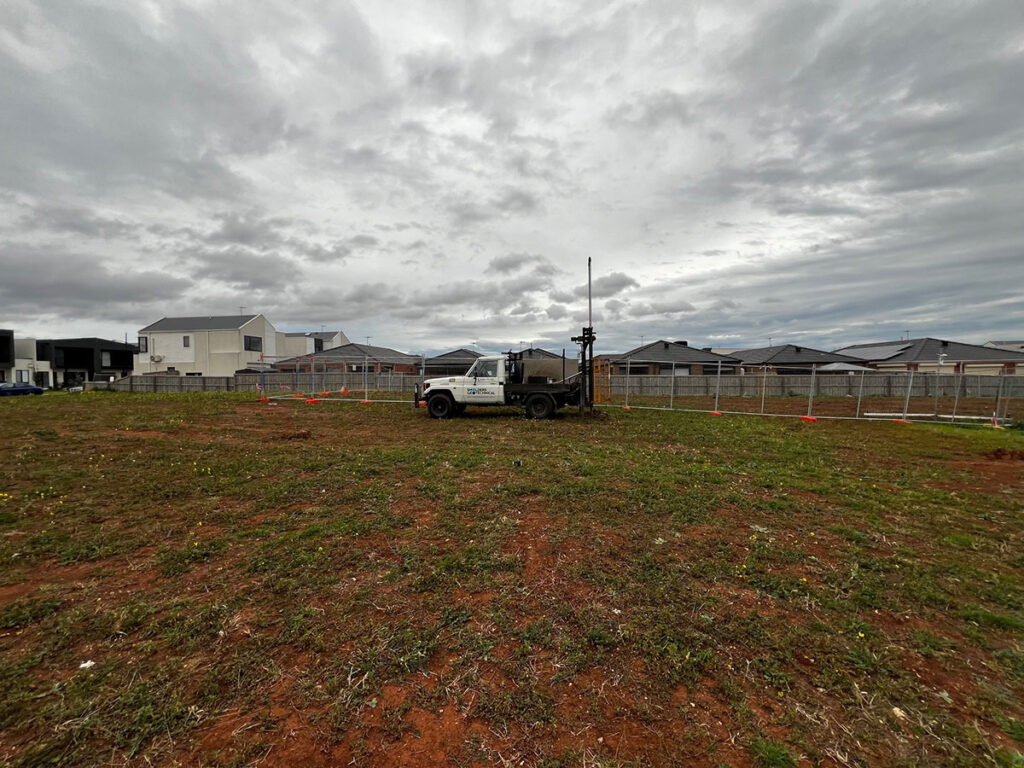
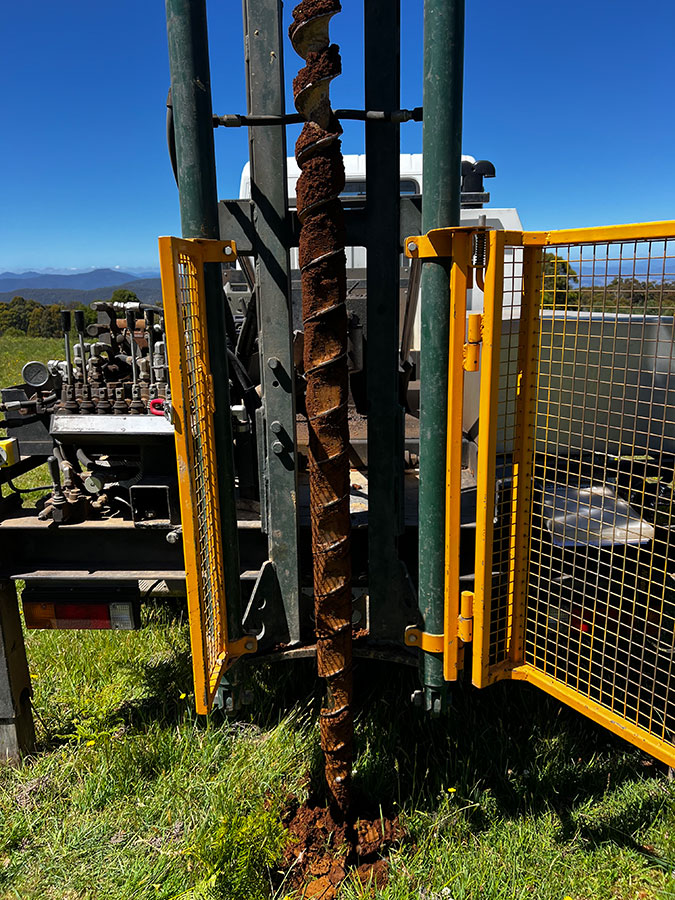
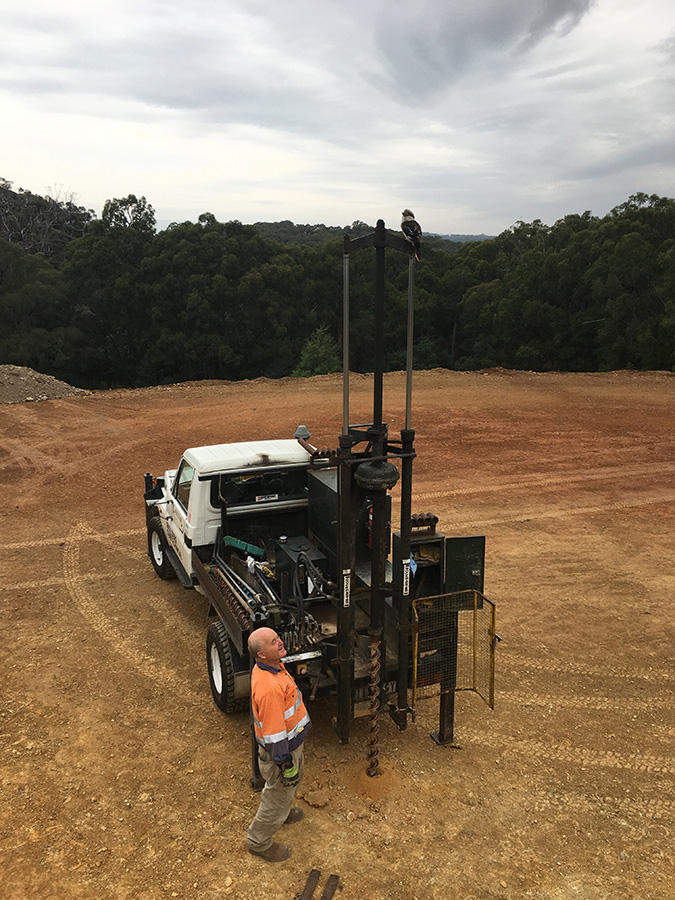
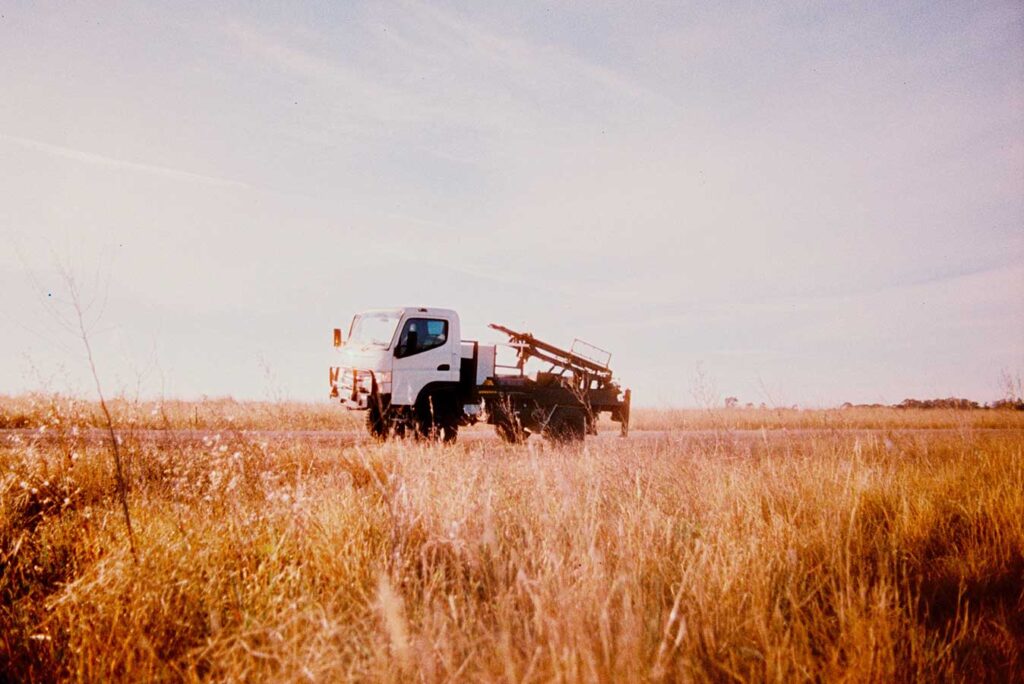
- Undertake geotechnical drilling onsite to appropriate depths using our specialist drilling and testing equipment. Generally, we undertake testing to a depth in the range of 5-10m dependant on access, soil types and conditions.